
Meditation Doesn't Have to Be Complicated
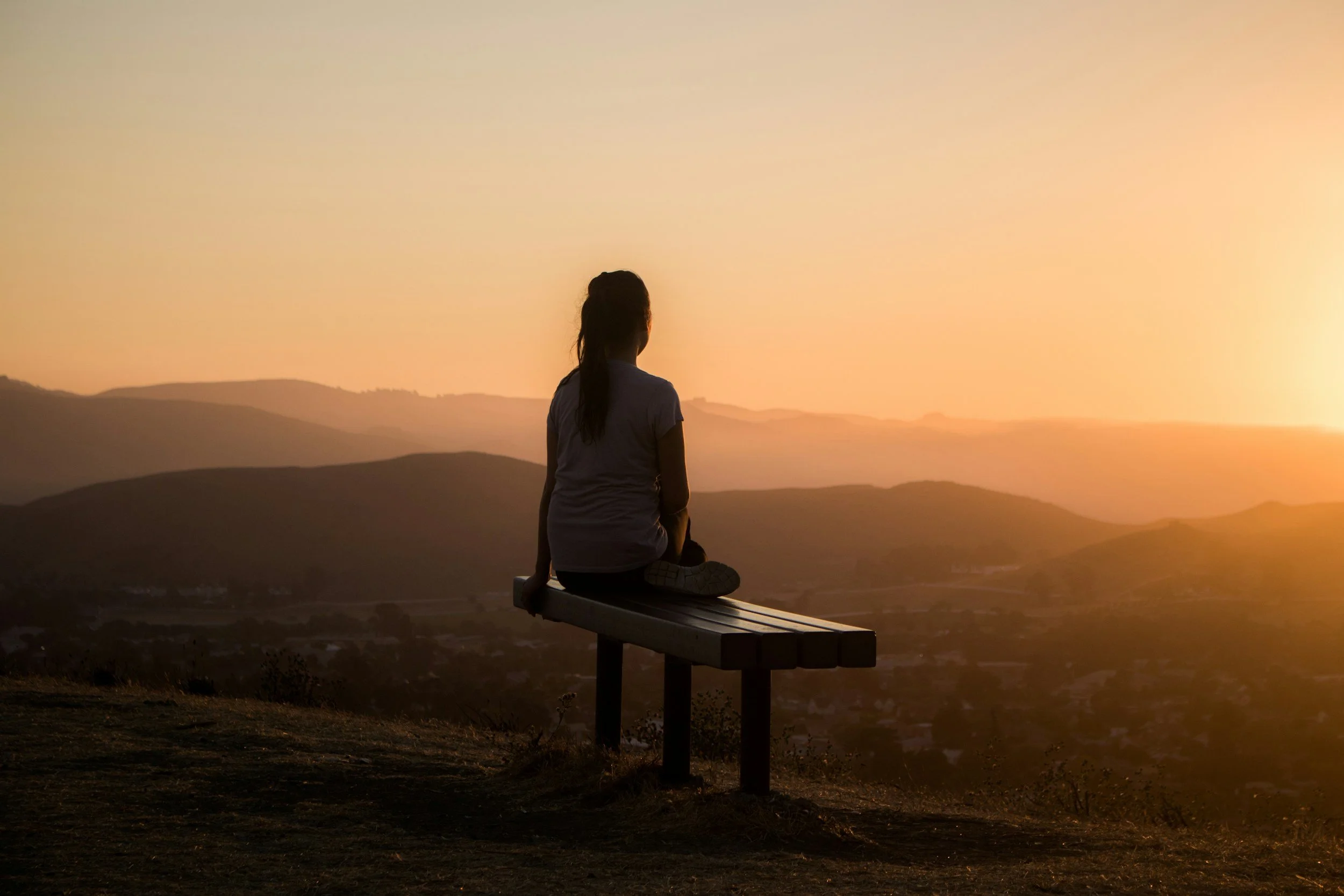
What meditation is, how it works, and what you really need to begin
In last week’s post about Kundalini Yoga, I mentioned meditation. Meditation has been practiced in different forms for thousands of years and appears across numerous spiritual and religious traditions. While practices vary, meditation itself doesn't require adherence to a particular religion. At its simplest, it is a practice of consciously directing our attention and becoming more aware of the mind.
The word meditation comes from the Latin meditari, which means to exercise, turn something over in one’s mind, think, or consider. It is defined as consciously directing your attention to alter your state of mind.
Meditation is a way to exercise the mind to bring about more calmness, reduce stress and anxiety, and increase feelings of centeredness. With practice, it helps you observe your mind more closely and reduces the chance that you will let your thoughts carry you away.
Meditation can take many forms, but it usually involves focusing on something that anchors your mind. Technically, anything can be the focus of meditation, including your breath, particular sounds, mantras, chanting, music, another person’s guiding voice, visualization, scenery, chores, habitual behaviors, or movement. An object can also serve as a focus by picturing it in your mind’s eye, physically touching it, holding it, or placing it nearby, and making that object the intention of the meditation.
Meditation allows for contemplation and builds discipline, focus, and concentration. Some people practice meditation in a ritualistic manner and may incorporate special clothing, music, aromatherapy, crystals, incense, or other elements. These elements either help in the meditation itself, help the practitioner get physically, mentally, and/or spiritually ready for the meditation, or help create the right environment for meditation. But they are not necessary. In fact, you need nothing other than yourself to meditate, although it helps to have an open mind and the desire to meditate.
You don't meditate to escape your thoughts. You meditate to become more aware of them.
Some people create special meditation areas in their homes or offices, but that is also not necessary, particularly when you are first beginning to practice. What matters is avoiding distractions during meditation and staying away from electronics. Ideally, you should choose a quiet area where you can meditate. Many prefer to meditate outdoors and in nature. Put your phone away or set it to non-transmitting mode during meditation, and turn off all notifications so you are not disturbed during your practice. You don’t need to wear special clothing during meditation, but some people find it easier to relax and stay still in comforting, loose-fitting clothes.
It is normal for the mind to wander during meditation, although the longer you practice, the longer you can keep your focus. The purpose of meditation is to give the mind an anchor, so it has something to return to whenever it wanders. When you first practice meditation, it is easy to let your thoughts distract you, but as you build your practice, you will get better at recognizing when thoughts interrupt it. When that happens, simply return to the practice by acknowledging that a thought crept in, sending it away or placing it “on hold,” telling yourself you’ll return to it later, and bringing your attention back to the focus.
Meditation teaches us to observe our thoughts without automatically believing them. That's hugely relevant to Uncaged: Free Yourself. Reclaim Your Life, which I’ll be launching next month. Conditioning, expectations, obligations, perfectionism, fear, and identity all become powerful partly because we stop seeing them as patterns. We simply accept the thoughts they generate as truth. Meditation creates a tiny space between “I’m having this thought" and "This thought is true."
Many people prefer meditating first thing in the morning, when the world is quieter and there are fewer distractions. I find that it can be a wonderful way to set the tone for the day. But the best time to meditate is ultimately the time that allows you to practice consistently.
Meditation has become part of my everyday life, but my practice doesn't look the same every day. Sometimes I sit for thirty minutes; other times I find two minutes of presence while doing something ordinary.
And if you're thinking, 'I don't have time to meditate,' come back next week. I'll share several two-minute meditations you can practice almost anywhere. Two minutes is enough to begin.