
How Meditation Changed My Writing
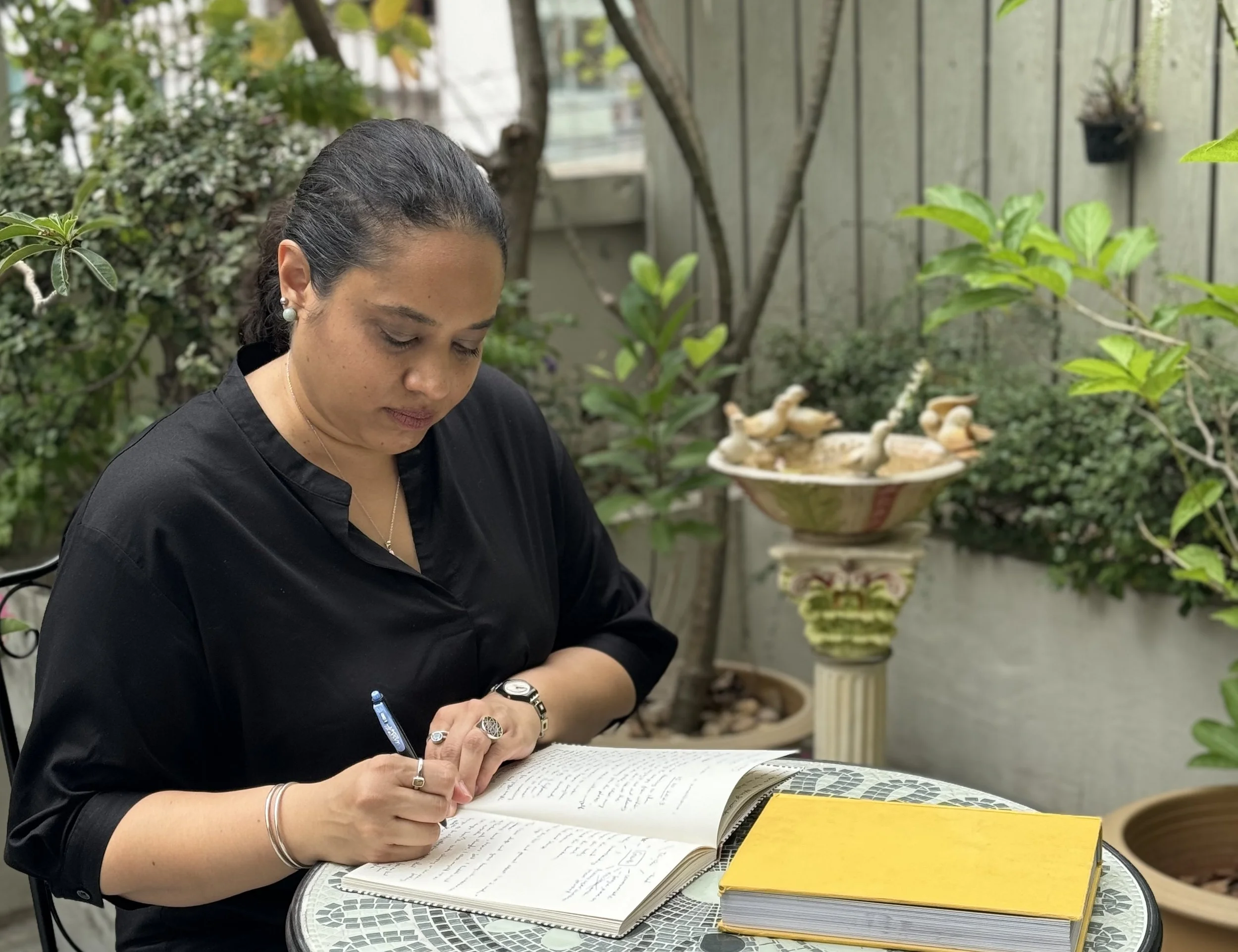
What meditation taught me about creativity, intuition, and productivity
Meditation opened me up to writing, and surprisingly, it benefited me in many other ways.
A few years ago, I started writing my stream of consciousness, which essentially means I write non-stop with whatever comes into my head. I don’t censor or judge; I allow for things to come and I write them on a page without care or concern. The purpose is to dump what’s on my mind onto a page, which helps me release what I’m carrying.
Writing doesn’t have to be stream of consciousness to be beneficial. Any type of writing is a form of expression. Sometimes, journaling also helps me to release what I’m holding within. When I write, especially if I’m doing it for myself, I can release without fear of judgment or criticism. No one has to see it, and I can later discard what I write by recycling or burning it.
Since I started this practice, I sleep better, I feel better, I’m more relaxed, and it helps me process what I’m going through.
But it all started with meditation.
Meditation is integral to my day-to-day. It's part of my routine. When I have plenty of time, I listen to recorded meditations or lyric-free music and sit for thirty to forty minutes. But if I’m busy, I do short sessions that last ten to fifteen minutes. I also incorporate meditative practices into my daily activities, like when I brush my teeth. Those are two minutes where nothing else is going on, and all you need to do is focus on brushing your teeth. Daily tasks can become part of a meditative process.
Writing and meditation came together for me in 2017.
I read Julia Cameron’s The Artist’s Way, which introduced me to the concept of morning pages. I did for a long time, but eventually, I evolved morning pages to meditative writing.
Sometimes I write for a certain amount of time, sometimes I write until I fill a page or two, and other times I write until I can't write anymore. It depends on how I’m feeling and what I’m going through. I carry a notebook with me at all times, but in case I don’t have one, I use my phone or anything I can write on.
Writing in this way served as a type of therapy.
The act of filling pages non-stop with my stream of consciousness is a type of meditation. It's also part of my personal healing, my self-reflection, and it has helped me tap into my intuition. When I write meditatively, I am in the moment. I am present. My intuition shines through, and I am able to discern it more easily.
Writing has helped me become present and mindful.
When I am mindful, I am conscious of my reactions and emotions, and eventually, I am able to manage them better. For instance, if I feel frustrated, I allow the frustration to come up. I consciously express it until I feel it move through me and release. But then, I sit back, and in stillness, I reflect on what is really going on. When I look underneath the surface and consider the true source of my frustration, I learn more about my triggers and can help to heal them.
I don't keep anything I write unless there is a use for it.
I review what I’ve written as soon as I finish, and if I find something useful, I keep it. At one point, I noticed that a lot of what I was writing was lyrical, and soon poetry blossomed. That was a wonderful discovery and part of what I have kept from my writing, along with portions where I’ve processed something about a novel. Everything else I toss. It gives me an immediate release. We hang on to a lot of thoughts and emotions we don't need to. It feels good to me to no longer carry the weight of what I’m feeling.
One additional tip changed everything for me.
This tip benefitted the depth of my writing and meditation process, and it came from a spiritual teacher I had a long time ago, who suggested that to allow for more stillness and moments of reflection, every week I took at least one twenty-four-hour period in which I didn't do any work. This meant disconnecting from email and social media, and not thinking about work. For those twenty-four hours, I let myself be. He said it was up to me to decide when the 24-hour period would be, but to make sure to take it because the twenty-four hours allow you to take a step back from your life, not be engaged in a specific activity, and release from the busyness. It allows you time to reflect, to be in the moment, and to be more present.
The biggest discovery I’ve made from implementing this process is quite ironic. I noticed that the less I do during that twenty-four-hour period, the more productive I become when I am working the rest of the week.
Are you a writer who meditates? If so, what benefits have you noticed? Please share! And if you meditate (writer or not) and notice other benefits, please share those as well.