
Trust the Story: A Look Inside My Writing and Editing Process
How I follow creativity, develop character-driven novels, and turn an intuitive first draft into a finished book
When I sit down to write a novel, I don’t exactly know what’s going to happen. The first version is unedited, and I type out what comes out of me creatively. I don’t often know what will emerge until it’s on the screen. And although I have an idea of where I want the story to go, I don’t outline it.
I may know who my characters are, where they are starting, and something about the journey I want them to take, but I don’t outline every event that will get them there. I let the story reveal itself as I write.
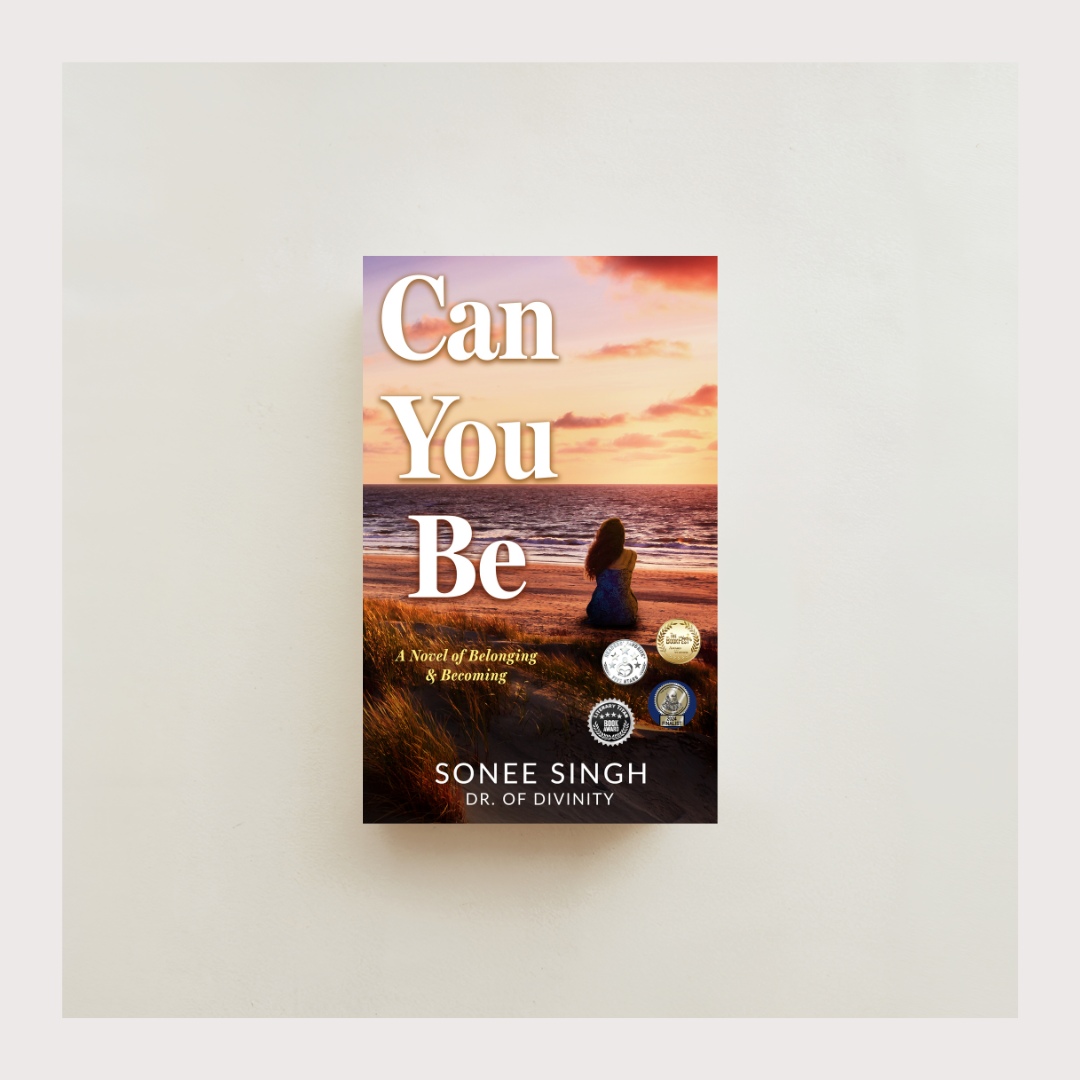
My novels are character-driven, which means the character’s journey is the story's primary arc. Naina is the protagonist of Can You Be, and I knew her emotional journey mattered more than simply moving from one event to the next. She had to grow out of her self-imposed shell.
My Editing Process
Only after I have written the first draft do I go back to edit, revise, and add structure.
I’m thinking about this process right now because I’ve begun editing Can You Be for its updated second edition. Revisiting a novel I’ve already published gives me an opportunity to look at a familiar story with new eyes. I faced the same situation when I published the second edition of Lonely Dove.
I am publishing second editions of my books because I left the publishers I worked with in the past, and I’m slowly but surely republishing my work under Trust In Your Soul. This gives me a unique perspective on reviewing my books. For my novels, I can analyze and revise them based on the character’s journey and whether the events and progression of the story best showcase it.
Naina’s journey is about what it means to be, moving beyond fear, opening up to connection, and trusting how life unfolds when we have the courage to step outside of ourselves, especially when we’ve kept ourselves small to feel safe. I am re-reading and editing the novel to ensure I have done so as well as possible, given my ability.
I am a copyeditor, which means I edit other people’s work. Although I edit my work through the first rounds, I always hire a professional editor because they can spot things I can’t. When I am the writer, I’m too close to my own work, and I can’t see things objectively. I don’t identify problems in my own writing that I can easily identify in others. Still, I make sure the version an editor receives is the best I can write, but I leave the expertise to them. Ultimately, they are more objective about what I’ve written.
With this second edition of Can You Be, as with the second edition of Lonely Dove, I didn’t hire an additional editor because both books have already undergone several rounds of edits…each was revised up to twelve times. I’m editing these second editions myself, and the edits are minor.
How My Writing Ties In to My Deeper Work
As I've revisited Naina's story, I've also noticed how closely some of its themes connect with the work I now explore through Uncaged: Free Yourself, Reclaim Your Life. Naina keeps herself small because small feels safe. But safety can become its own kind of cage when fear prevents us from experiencing connection, possibility, and life itself.
I didn't write Naina's story as part of the Uncaged framework, but I can now see the same questions running through both: What happens when fear determines the boundaries of our lives? And who might we become when we find the courage to move beyond them?
I find it fascinating that the same questions have been running through my work for years.
Where My Process Takes Place
The beauty of writing and editing is that I can do it anywhere, anytime. I’ve worked on my novels on planes and trains, in hotel rooms, in coffee shops and restaurants, from various corners of my home, or anywhere that is comfortable. Oddly enough, silence isn’t ideal for me. I need sound to concentrate. That’s why I find it easy to work in busy and hectic environments.
As a side note, my process is different with poetry because it comes to me unexpectedly. Sometimes, a poem comes when I am watching TV, reading a book, riding in a car, or even in the shower. I have to capture the poem as quickly as possible, so I write in notebooks, napkins, scraps of paper, and on my phone—basically, whatever I can find nearby to capture the words. Poetry also emerges as I journal. It doesn’t happen every day, but when it does, I welcome it. Once I am ready to edit, I transfer it all to my laptop and work through the poems, refining and editing.
My Writing Process
Everything I write is shaped by life and my interpretation of the world I experience. Perhaps that’s why I’ve never needed a particular place or perfect set of circumstances to write.
A stranger I notice while traveling can spark an idea. A conversation can stay with me long enough to become part of a character. A place can awaken a feeling I eventually find words for. Sometimes inspiration arrives while I’m intentionally writing, and sometimes it finds me when I’m doing something unrelated. I only notice it.
The best way I can describe my writing process is that I pay attention. I trust what comes, and I put it on the page. Then I decide what belongs.
What I’ve Uncovered About My Writing & Editing Process
I've realized that my writing and editing process requires two things that can sometimes seem contradictory: trust and discernment. When I'm creating, I trust. I let the words come without trying to control everything or knowing exactly where they will lead me. When I'm editing, I discern. I step back and ask what belongs, what doesn't, what serves the story, and what needs to change.
I've come to see that life can ask the same of us. We can trust what arises within us while still learning to discern what is true, what serves us, and what we are ready to release.